
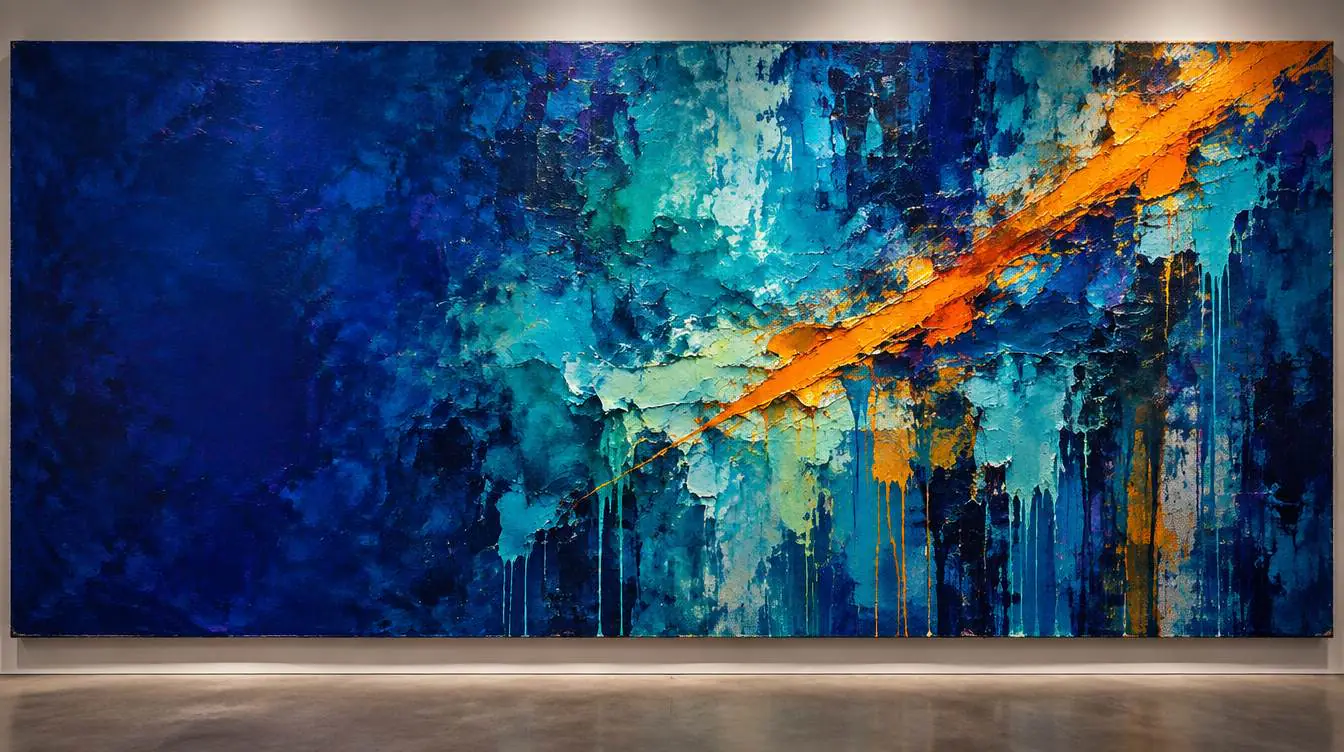
Master of CreativeArts Therapy
Over two years you complete 60 credits, specialize in Art Therapy or Expressive Arts Therapy, and gain 500-600 hours of supervised practicum.
- Credential
- Master of Creative Arts Therapy
- Duration
- 2 years, 60 credits
- Delivery
- Hybrid, evening and weekend classes available
- Inaugural intake
- March 1, 2027
- Apply by
- February 1, 2027
- Domestic tuition
- $25,000 per year
The first Master’s in Creative Arts Therapy in Ontario.
Whitecliffe University of Applied Sciences is the first institution in Ontario to offer a master’s degree in creative arts therapy with two specializations: art therapy and expressive arts therapy.
- Create
- Sustained studio practice grounds your clinical work.
- Collaborate
- Therapist and client explore the artwork together.
- Support others
- Your training leads to supervised practice with clients in Ontario settings.
What you will study
The program gives you a rigorous foundation in creative arts therapy theory, clinical practice and arts-based research. It prepares you to work as an art therapist or expressive arts therapist across health, community, education and wellness settings.
You choose one of two specializations, each of which includes supervised clinical practicum and a major research project. Indigenous ways of knowing, trauma-informed practice and community engagement are woven through the whole curriculum.
- 60
- Credits
- 2
- Years
- 2
- Specializations
- 500-600
- Practicum hours
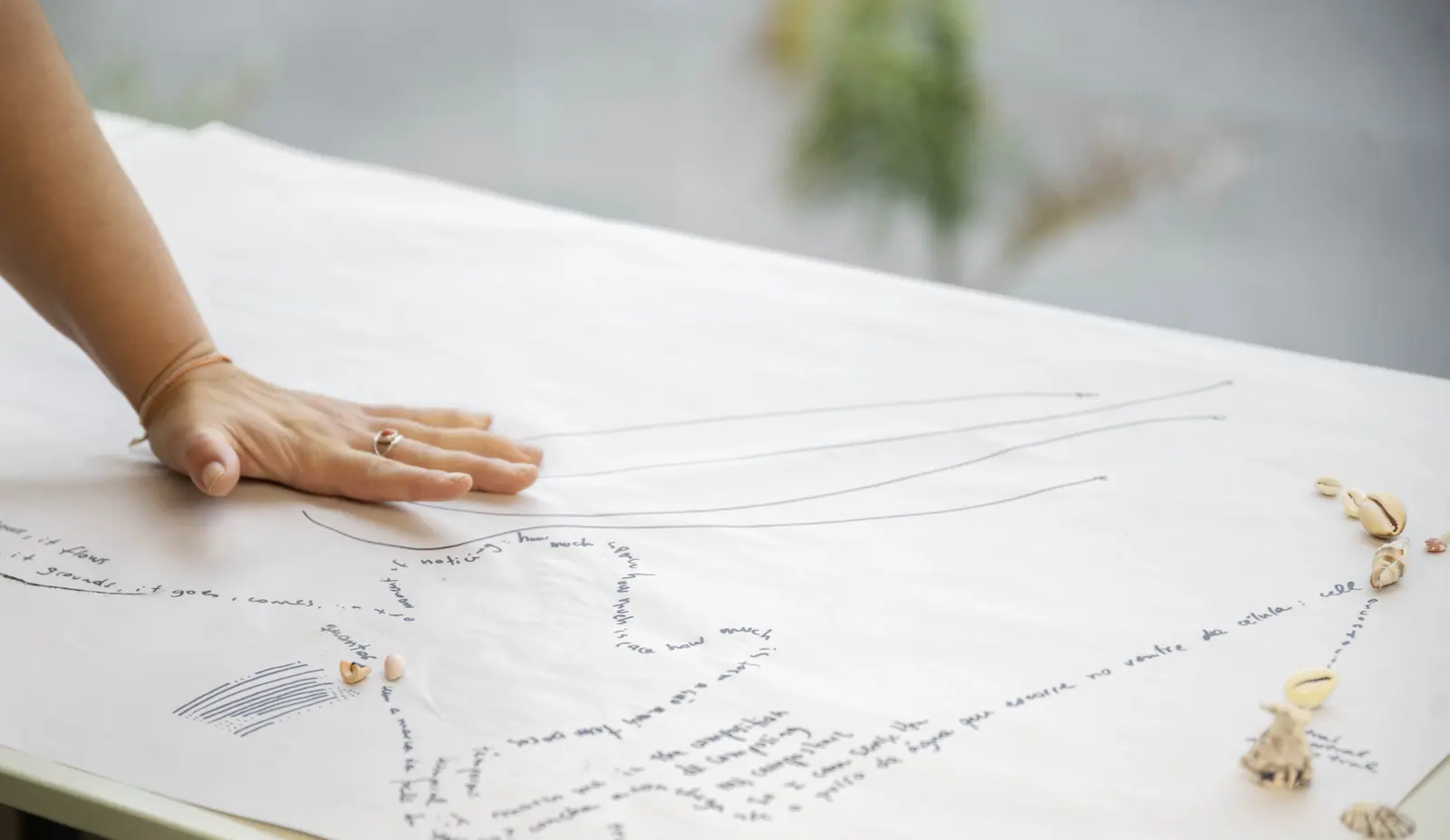
Creative arts therapy is a form of psychotherapy in which therapist and client use creative modalities collaboratively to explore, inform and enhance physical, mental, emotional, spiritual and social well-being.
The word collaboratively matters. Therapist and client explore the artwork together as a shared focus, and learning to hold it with care and skill is central to your training.
- Visual arts-making
- Drama
- Dance and movement
- Creative writing
- Sound and music
- Play
- Digital media
- Nature-connected arts
Two specializations
Both specializations share a common core before moving into their own studio, clinical and practicum courses. You choose your specialization when you apply, and each includes three courses of supervised practicum consultation.
Art Therapy
Studio-based clinical practice
600 hours of supervised practicum
You learn to combine therapeutic art-making with psychological frameworks, helping clients use visual art for self-exploration, healing and growth. The curriculum maps to the Canadian Art Therapy Association (CATA) Educational Standards for Master’s Degree programs.
Key courses
- ART 510History and Theory of Art Therapy
- ART 511Clinical Art Therapy Skills and Interventions
- ART 512Group Art Therapy through Trauma-Informed Practice
- ART 513Clinical Supervision and Practicum Consultation I
- ART 614Application of Art Therapy with Diverse Populations
- ART 616Advanced Studio Art Therapy: Assessment and Application
- ART 617Clinical Supervision and Practicum Consultation III
Expressive Arts Therapy
Interdisciplinary arts in practice
500 hours of supervised practicum
This specialization integrates music, movement, drama, visual arts and creative writing within a psychotherapeutic framework, and suits practitioners who want to work across several modalities.
Key courses
- EXA 520Expressive Arts Therapy: Individual and Intermodal Process
- EXA 521Clinical Expressive Arts Therapy Skills and Interventions
- EXA 522Group Expressive Arts Therapy through Trauma-Informed Practice
- EXA 525Clinical Supervision and Practicum Consultation I
- EXA 624Application of Expressive Arts Therapy with Diverse Populations
- EXA 626Advanced Studio Expressive Arts Therapy: Assessment and Application
- EXA 627Clinical Supervision and Practicum Consultation III
Not sure which specialization fits?
An advisor can talk through your creative practice and the settings you want to work in.
Hybrid learning forworking professionals
The program combines in-person experiential sessions, workshops and seminars with live online classes you are required to attend, plus coursework you complete in your own time. It runs on 13-week terms (12 weeks of classes and a one-week study break), and evening and weekend classes are available.
The program is designed for full-time study (5 courses per term) but part-time (no less than 3 courses) options may be available. Students should be aware that, depending on their individual circumstances, it may take longer than two years to complete the program, based on their research project and clinical hours.
01
On campus
Experiential sessions, workshops and seminars take place at 460 Yonge Street. They are hands-on and materials-led, with faculty, peers and guest practitioners working alongside you.
02
Live online classes
You are required to attend scheduled live (synchronous) online classes. Between them, you work through readings, creative practice assignments and reflective journals. Evening and weekend classes are available, so study can fit alongside your job.
03
Supervised practicum
You complete 500 (Expressive Arts Therapy) - 600 (Art Therapy) hours of supervised practicum, beginning once your Term 1 and Term 2 prerequisite courses are complete, supported by group supervision courses in your specialization.
Two-year course map
- CAT Common core
- ART Art Therapy
- EXA Expressive Arts Therapy
Every student completes the common core along with the courses for their own specialization. Year 1 builds a foundation in theory, and Year 2 moves into advanced clinical practice and research, for a total of 60 credits over two years. Your supervised practicum begins once your Term 1 and Term 2 prerequisite courses are complete and runs through to the end of the program. It is summarized after Year 1 below. Each term below lists the courses for both specializations, so you take the common core plus the courses in your own stream.
Select any course to read a summary of its approved syllabus.
Year 1
| Code | Course | Cr |
|---|---|---|
| CAT 500 | 3 | |
An overview of the most prominent traditional and contemporary models of psychotherapy, from psychodynamic, Jungian and person-centred to cognitive-behavioural, somatic, narrative and creative arts therapies. Students explore the assessments, interventions and skills of each, their strengths and limitations, and how to integrate them in practice. | ||
| CAT 501 | 3 | |
Examines ethical principles and legal responsibilities in creative arts therapy, using the codes of ethics of CRPO and associations including CATA, OATA, OETA, IEATA and CCPA. Topics include competence, confidentiality, informed consent, boundaries, duty to warn and risk assessment, with ethical frameworks applied from first contact to termination and artwork disposition. | ||
| CAT 502 | 3 | |
A theoretical survey of the biological, cognitive, cultural, emotional, physical, social and spiritual aspects of human development across the lifespan, and the use of creative arts therapies in constructing and reconstructing a client’s life at any age or stage of development. Students reflect on what it means to be human through arts-based processes. | ||
| ART 510 | 3 | |
Introduces the practice of art therapy and its theoretical frameworks, including psychodynamic, Jungian, cognitive behavioural, person-centred, narrative, somatic and trauma-informed approaches. The course includes an art experiential component and enables students to integrate theory and practice using the language of the arts; students are encouraged to keep a weekly reflexive journal. | ||
| ART 511 | 3 | |
An experiential course in the clinical skills, arts media techniques and arts-based interventions art therapists use in person and virtually, such as body mapping, bilateral drawing and mandalas. Covers the Expressive Therapies Continuum (ETC) and the Formal Elements Art Therapy Scale (FEATS), with an introduction to arts-based assessments. | ||
| EXA 520 | 3 | |
An experiential studio course in arts making and intermodal arts-based theory across four modalities: visual arts and digital media; creative writing, narrative and poetry; drama and play; and sound, movement and improvisation. The emphasis is on participatory arts-based inquiry and awareness of modality and intermodality, with particular attention to developing clinical skills across a range of settings, ages and populations. | ||
| EXA 521 | 3 | |
An experiential course in the clinical skills and arts-based techniques of expressive arts therapy for clients of all ages, practised through drama and play, sound and music, movement and improvisation, visual arts and digital media, and creative writing. Emphasizes participatory arts-based inquiry, intermodality and the Expressive Therapies Continuum (ETC), with an introduction to arts-based assessments. | ||
| Code | Course | Cr |
|---|---|---|
| CAT 503 | 3 | |
Introduces clinical assessment, psychopathology and treatment planning, including counselling and arts-based assessment tools, the DSM-5-TR alongside cross-cultural models of health and illness, and the effects of psychotropic drugs. Students learn to write case conceptualizations and treatment plans, and reconsider ideas of illness and diagnosis through arts-based and resource-oriented practice, including harm reduction. | ||
| CAT 504 | 3 | |
Examines how the therapist’s identity, values, cultural background and implicit biases shape professional practice and the therapeutic alliance. Through reflective and experiential learning, students explore the ethical use of self, transference and countertransference, boundaries, cultural humility and power dynamics, and articulate their own therapeutic approach. | ||
| CAT 505 | 3 | |
Prepares students to work with clients in their clinical placement, introducing potential practicum sites, clinical supervision, and intern responsibilities and expectations. Reviews components of therapy from earlier coursework, from informed consent and record keeping to assessment and care planning, and explores emerging AI in practice. | ||
| CAT 506 | 3 | |
Introduces research methods, ethics and applied research in creative arts therapy, with emphasis on arts-based approaches such as A/R/Tography, autoethnography and participatory action research. Students learn to critique and design research, and complete a literature review that informs their future research proposal (CAT 603) and project (CAT 606). | ||
| ART 512 | 3 | |
An experiential course on the therapeutic factors and implementation of group art therapy, including practical aspects such as trust, safety, catharsis, imparting information and a sense of commonality. Students examine the roles group members play and the use of art therapy groups as creative healing routes, especially for people who have been marginalized, oppressed or are survivors of trauma. | ||
| EXA 522 | 3 | |
An experiential course on intermodal expressive arts therapy in groups with children, youth and adults across a range of settings. Covers group engagement and development, working alongside other professionals, structuring a group’s beginning, middle and end, building the therapeutic container, and open versus closed groups. | ||
Supervised clinical practice
Students commence their practicum once all Term 1 and Term 2 practicum prerequisite courses have been completed and continue it through to the end of the program (CAT 500, CAT 501, CAT 503, CAT 504, CAT 505, ART 510, ART 511, ART 512, EXA 520, EXA 521, EXA 522). The practicum carries 1.5 credits and takes place in Ontario settings. Some students may complete their practicum during summer, depending on their individual standing.
Group supervision courses: ART 513, ART 615 and ART 617 (Art Therapy); EXA 525, EXA 625 and EXA 627 (Expressive Arts Therapy). Practicum Consultation I is listed below; Consultation II and III are listed in Terms 3 and 4 and run alongside the practicum.
| Code | Course | Cr |
|---|---|---|
| ART 513 | 1.5 | |
Students complete their first, introductory supervised art therapy practicum at a clinical site, integrating what they learned in Year 1. They learn observation and assessment, treatment planning and how to build a working alliance with clients, supported by group supervision (capped at eight students) and an appointed external supervisor. | ||
| EXA 525 | 1.5 | |
Students complete their first, introductory supervised expressive arts therapy practicum at a clinical site, integrating what they learned in Year 1. They learn observation and assessment, treatment planning and how to build a working alliance with clients, supported by group supervision (capped at eight students) and an appointed external supervisor. | ||
Year 2
| Code | Course | Cr |
|---|---|---|
| CAT 600 | 3 | |
An experiential course blending arts-based practices with land-based education, healing and cultural care, integrating holistic and Indigenous knowledge systems through place-based decolonizing practices within an eco-centric framework. Students examine how their social location shapes power, privilege and cultural care practices. | ||
| CAT 601 | 3 | |
Explores the role of the arts and creative arts therapy in healthy change at community and social levels, examining national and international programs that support collective healing for survivors of mass trauma such as political violence, war, poverty and natural disasters. Students also examine their future role as advocates for positive social change in specific systems or communities. | ||
| CAT 603 | 3 | |
Building on CAT 506, students produce a research project proposal and informed consent form that may be submitted to Whitecliffe’s Research Ethics Board, choosing a thesis, community-based, clinical case or arts-based project. Students also learn to write grant proposals for community-based clinical programs. | ||
| ART 614 | 3 | |
Explores the application of art therapy with diverse populations across ages, stages of development and cultural backgrounds. Students survey the efficacy of art therapy for the LGBTQ2+ community, survivors of domestic violence, and individuals with specific mental health profiles. | ||
| ART 615 | 3 | |
Building on ART 513, a semester of supervised art therapy practicum at one or more contracted placement sites, alongside classes. Students learn observation and assessment, treatment planning and how to build a working alliance with clients, supported by group supervision (capped at eight students) and an external supervisor. | ||
| EXA 624 | 3 | |
Explores the application of expressive arts therapy with diverse populations across ages, stages of development and cultural backgrounds. Students survey the efficacy of art therapy for the LGBTQ2+ community, survivors of domestic violence, and individuals with specific mental health profiles. | ||
| EXA 625 | 3 | |
Building on EXA 525, a semester of supervised expressive arts therapy practicum at one or more contracted placement sites, alongside classes. Students learn observation and assessment, treatment planning and how to build a working alliance with clients, supported by group supervision (capped at eight students) and an external supervisor. | ||
| Code | Course | Cr |
|---|---|---|
| CAT 604 | 1.5 | |
Focuses on creating and sharing stories as central to human experience, especially within Indigenous contexts, taught by Indigenous creative arts therapy practitioners and settlers experienced in working alongside Indigenous communities. Explores the history, realities and strengths of Indigenous peoples in Canada, decolonization, truth and reconciliation, and what it means to be guests on unceded Indigenous lands. | ||
| CAT 605 | 3 | |
Deepens understanding of specific therapeutic modalities, psychological concepts, psychopathology and clinical populations, with contemporary topics such as AI in clinical practice, climate anxiety, grief and loss, neurodiversity and psychedelic psychotherapy. Students examine topics related to their clinical placement or major research project. | ||
| CAT 606 | 3 | |
Students implement and complete an independent major research project relevant to creative arts therapy, building on their CAT 603 proposal with guidance from the instructor. They submit manuscript drafts and present the project to peers and faculty. Projects involving human participants require Research Ethics Board approval. | ||
| ART 616 | 3 | |
An advanced experiential course in which students continue to practise clinical skills, explore arts media techniques, and expand their range of arts-based interventions and assessments for in-person and virtual practice with clients of all ages. Examines the Expressive Therapies Continuum (ETC) and the Formal Elements Art Therapy Scale (FEATS) in greater depth. | ||
| ART 617 | 3 | |
Building on ART 513 and ART 615, a semester of supervised art therapy practicum at one or more contracted placement sites, alongside classes. Students learn observation and assessment, treatment planning and how to build a working alliance with clients, supported by group supervision (capped at eight students) and an external supervisor. | ||
| EXA 626 | 3 | |
An advanced experiential course that builds clinical skills, arts media techniques, and arts-based interventions and assessments, with lectures on intermodal and multimodal practice and polyaesthetics. Drawing on portfolio journals from earlier studio courses, students work toward a lecture with an arts-based component, and the course closes with individual class presentations that serve as a rite of passage. | ||
| EXA 627 | 3 | |
Building on EXA 525 and EXA 625, a semester of supervised expressive arts therapy practicum at one or more contracted placement sites, alongside classes. Students learn observation and assessment, treatment planning and how to build a working alliance with clients, supported by group supervision (capped at eight students) and an external supervisor. | ||
The academic year
The program runs over two years. The inaugural cohort begins on March 1, 2027. Term dates and the inaugural convocation will be published in the 2027 Academic Calendar.
2027 Academic Calendar
The calendar sets out term dates, add and drop deadlines, reading week, statutory closures, the grading scale, academic integrity, tuition policy and refunds.
The 2027 Academic Calendar will be published here soon.
Professional standards
- College of Registered Psychotherapists of Ontario (CRPO): the program is not currently recognized by the CRPO as an approved education program.
- Canadian Art Therapy Association (CATA): curriculum maps to the Educational Standards for Master’s Degree programs.
- Ontario Art Therapy Association: Standards of Practice and Ethics (2021).
- Ontario Expressive Arts Therapy Association: Standards of Practice and Ethics (2026).
Alignment with these standards is not an endorsement of the program or the institution by these bodies. How CRPO registration works
Entry and fees at a glance
Here are the essentials for this program. You can find full details on the requirements and fees pages.
Entry requirements
- Four-year bachelor’s degree or recognized equivalent, minimum B average
- Relevant volunteer or paid experience
- Portfolio of three to five works (optional)
- IELTS Academic 7.0 or TOEFL iBT 93 where prior study was not in English
Fees
- Domestic tuition: $25,000 per year, $50,000 in total
- One-time application fee: $100
- No prepaid tuition; monthly payment available
- International tuition: posted once Designated Learning Institution status is achieved
Key dates
- March 2027, inaugural intake: apply by February 1, 2027
- Classes begin March 1, 2027
- After March 2027: January and September intakes expected